
Roy Keane: Manchester United have their swagger back, but Carrick not the long-term answer
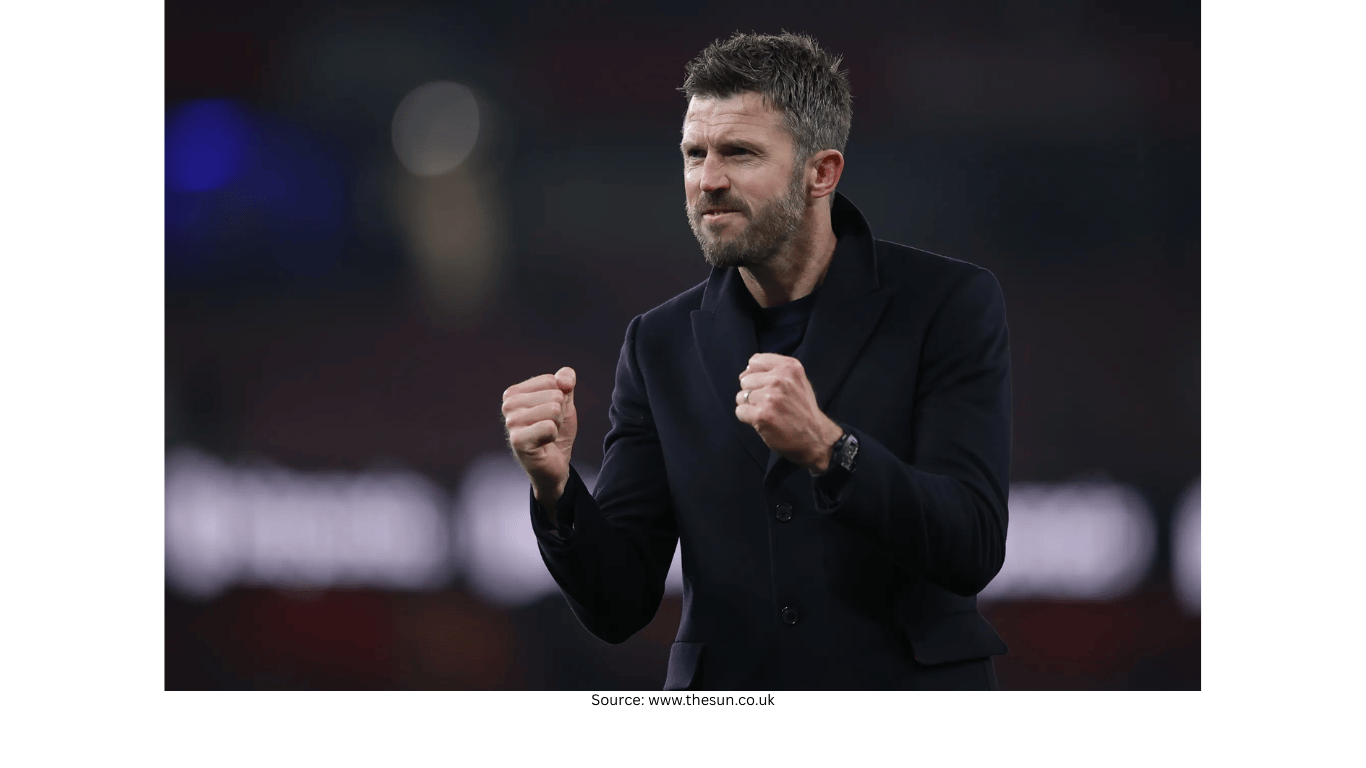
United’s quick turnaround under Carrick
Manchester United’s recent results have sparked a familiar feeling among some supporters: the sense that the team is playing with confidence again. After a dramatic 3-2 victory away at Arsenal, Roy Keane said United have their “swagger” back, pointing to a renewed calmness and intensity in their performances.
The win at the Emirates Stadium followed another high-profile result, with Carrick overseeing victories against both Manchester City and Arsenal since being confirmed as head coach until the end of the season. It has been an eye-catching start: two wins from two in major fixtures, with United showing both quality in open play and impact from the bench.
However, while Keane credited the improvement, he drew a firm line between a promising short spell and the longer-term demands of managing a club of United’s scale. In his view, the early success does not automatically translate into a long-term appointment.
Keane’s verdict: praise for performances, doubt about the future
Keane’s assessment contained two distinct messages. The first was positive: he liked what he saw in the recent displays. The second was decisive: he does not believe Carrick should be considered the long-term solution at Old Trafford.
Speaking after the Arsenal match, Keane framed the discussion in blunt terms. He acknowledged the significance of winning two games of that magnitude, but argued that two results are not enough to settle the bigger question of who should lead the club into the coming years.
“Two great performances but anyone can win two games,” Keane said. He went further, adding that even an extended run of victories would not change his mind about Carrick’s suitability for the job on a permanent basis.
Keane’s core argument is rooted in the scale of the challenge. Manchester United, he suggested, need a head coach who is “bigger and better” than Carrick—someone who can be trusted not just to stabilise the team, but to deliver league titles.
For Keane, the standard is clear: a United manager should be judged on whether he can restore the club to the top of the league. In that context, he questioned whether it is realistic to believe Carrick can take United to that level.
What Keane liked: swagger, calmness, and influence from the bench
While Keane was sceptical about the long-term appointment, he did not downplay what United achieved in the Arsenal match. He highlighted the contrast between where United have been and what they showed in this particular performance, noting a visible change in the team’s body language and approach.
“Considering where they are and where they have been, they had a bit of swagger and calmness to their play,” Keane said. That description captured more than just the final score; it pointed to a style and attitude that he associates with stronger United sides.
Keane also singled out the decisive moments that turned the match. Matheus Cunha scored a dramatic winner, while Keane referenced “two brilliant strikes” and emphasised the impact of substitutions. In his view, the players coming off the bench had a significant influence on the outcome, a detail often associated with well-functioning squads.
There was also an emotional element. Keane mentioned the supporters in the away end and said it felt “a bit like the old days.” It was a snapshot of what United can look like when the performance, the result, and the travelling fans align.
Even with his reservations about the future, Keane described Carrick’s start in the role in positive terms. “Carrick’s done really well,” he said, calling the two displays “brilliant performances” and praising the “real quality” shown by the team.
Neville’s view: don’t repeat emotional decisions
Gary Neville also backed the idea that Carrick should not be the long-term solution, even as he expressed strong satisfaction with what he has seen over the last two weeks. Neville’s comments focused on the importance of decision-making at board level and the risk of acting too quickly based on short-term emotion.
Neville argued that Manchester United have “acted emotionally” a number of times over the past 12 years. In that context, he presented the current period as something to enjoy without rushing to conclusions about the next permanent appointment.
He said he “could not be happier” with the last fortnight, describing the football as familiar in a way that made it feel like he was watching his team play “properly” again. For Neville, the key characteristics were intensity and a sense of structure that had been missing.
Like Keane, Neville supported keeping Carrick in place until the end of the season. But he suggested that, after that, United should look to a more experienced, elite-level head coach—mentioning Thomas Tuchel and Carlo Ancelotti as examples of the type of manager he believes the club should pursue.
Carrick’s response: measured, collective, and focused on improvement
For his part, Carrick has not presented the early wins as proof that the job is finished or that the team has suddenly reached its ceiling. After securing his second win as head coach, he struck a cautious tone, stressing how short the time frame has been.
“It’s only been 10 days, so it was never going to be perfect,” Carrick said. He also pushed back against the idea that United could arrive at a venue like the Emirates and immediately dominate the whole match and possession. Instead, he described the current stage as a beginning—an encouraging platform rather than a final product.
Carrick said it was “a great starting point,” but added that the team must “put more layers on top” in the coming weeks. The language suggested a process: building on the basics, improving step by step, and reinforcing what has worked without assuming it will automatically continue.
A notable part of Carrick’s comments was the emphasis on the group. He credited the staff and the players for how much they have “invested” and “bought into it.” In his view, instructions and ideas only matter if the players commit to them on the pitch.
He also returned to the theme of substitutes making a difference, noting that the players must “live it” and that the impact from the bench was evidence of that shared commitment.
Finally, Carrick highlighted the atmosphere and the relationship with supporters. He described a “real collective feeling” and spoke of celebrating with the fans at the end, calling it “important” and “a big moment.”
Why the debate matters: short-term uplift vs long-term ambition
The discussion around Carrick is not simply about two wins, even if those wins came against Manchester City and the Premier League leaders Arsenal. It is about how a club measures progress and decides what comes next.
Keane’s position reflects a belief that Manchester United’s ambitions require a manager with a track record of meeting the highest expectations. In his framing, the question is not whether Carrick can inspire a good run, but whether he can lead a title-winning project over multiple seasons.
Neville’s perspective, while similarly unconvinced about a permanent appointment, is shaped by caution: he wants United to avoid making a decision that feels right in the moment but may not hold up under long-term scrutiny. His suggestion to hand the baton to a manager of “world-class ilk” underlines the level he believes United should target.
Carrick, meanwhile, has kept his focus on the immediate task. His comments indicate an understanding that early results, however encouraging, do not guarantee sustained dominance. He has spoken about building layers, acknowledging imperfection, and reinforcing collective commitment.
Key points from the recent matches and reactions
Manchester United have recorded wins over Manchester City and Arsenal under Michael Carrick since he was confirmed as head coach until the end of the season.
Matheus Cunha scored a dramatic winner in the 3-2 victory at the Emirates Stadium against Arsenal.
Roy Keane said United have their “swagger” back, praising calmness in play, quality in key moments, and the impact of substitutes.
Keane insisted that, despite the strong start, he does not believe Carrick should be the long-term manager and said United need someone “bigger and better” to win league titles.
Gary Neville echoed the view that Carrick is not the long-term answer, warning against emotional decisions and suggesting United should eventually appoint a more experienced elite coach.
Carrick described the past 10 days as a beginning, stressing that performances will not be perfect and that the team must keep building in the coming weeks.
What comes next
Manchester United’s immediate challenge is to sustain the level of performance that has brought these two standout wins. The early signs—intensity, composure, and contributions from the bench—have been encouraging, and both Keane and Neville acknowledged the improvement in what they are watching.
Yet the longer-term question remains open. Keane’s argument is that Manchester United should not confuse a promising start with proof of title-winning potential. Neville’s view is that the club should enjoy the stability Carrick has provided, but ultimately hand over to a more experienced manager at the end of the season.
Carrick’s own stance has been notably restrained: he is treating the current period as the foundation of a wider rebuild of standards and habits, rather than a finished transformation. For now, the debate around the future sits alongside the more immediate reality—United have momentum, and they will try to add the next layer to it.