
Final Four Betting Notes: Point Spreads, Player Props and a High-Stakes Michigan–Arizona Clash
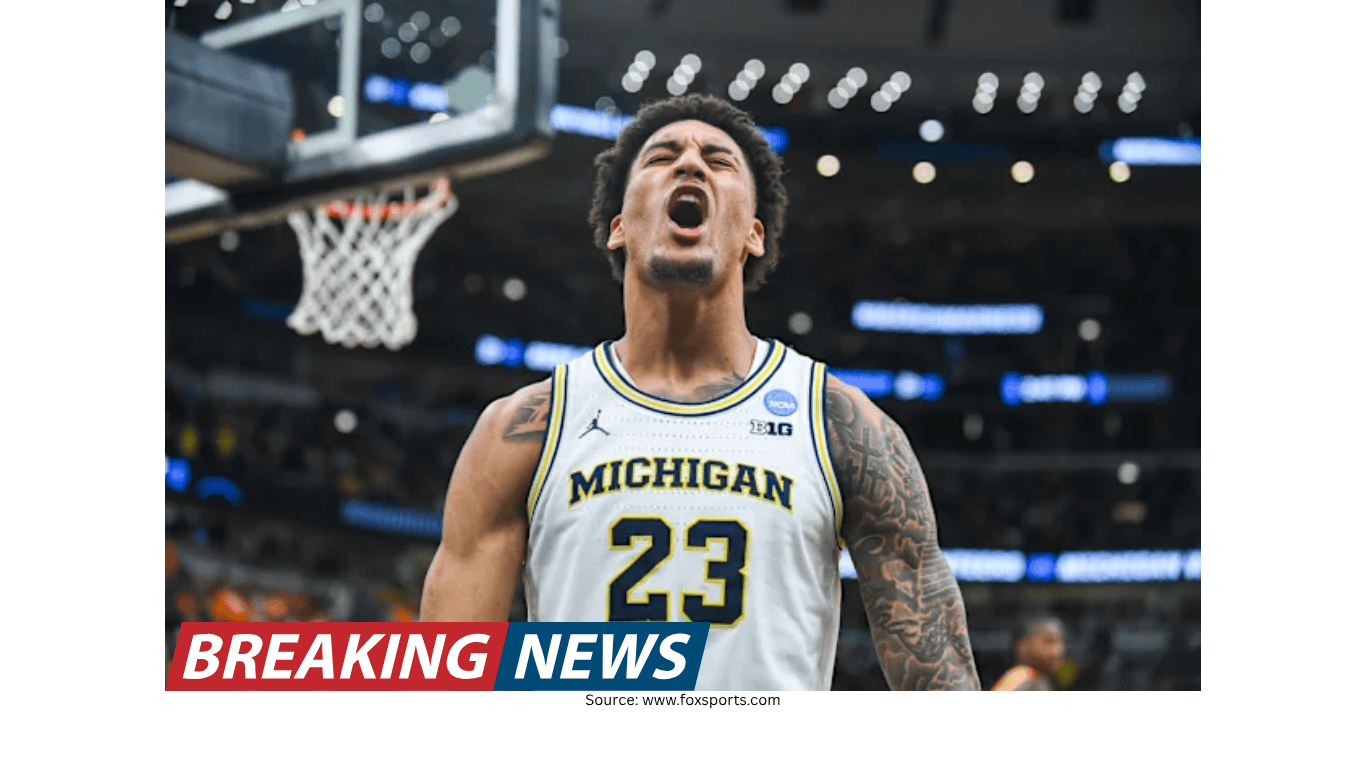
Final Four returns Saturday night in Indianapolis
Arizona, Illinois, Michigan and UConn are the final four teams remaining in this year’s NCAA men’s basketball tournament, with the Final Four tipping off Saturday night at Lucas Oil Stadium in Indianapolis. With only two games on the slate, every possession, matchup wrinkle and coaching decision tends to be magnified. That intensity also carries into the betting market, where numbers can move quickly and where public narratives can sometimes push a line or a prop a little beyond what the underlying roles and matchups suggest.
The weekend’s storylines are easy to understand because each team brings a clear identity. Illinois is framed as having an elite offense, while UConn is described as owning a top-tier defense. Michigan and Arizona are presented as the most complete pairing, with both teams characterized as dominant on both sides of the ball. Those broad profiles set the stage for how bettors may approach sides, totals and player props, especially when the market’s attention is concentrated on a small number of games.
Separating rooting interests from betting decisions
Final Four weekend often comes with personal connections—alumni ties, regional loyalty, or years of watching a program. One bettor’s perspective included a Chicago upbringing and attendance at the University of Illinois, a combination that makes it difficult to claim neutrality in Illinois’ matchup. That kind of admission is useful for any bettor, not because it changes the facts on the court, but because it highlights a common pitfall: mixing fandom with wagering.
The guiding principle offered is straightforward: rooting and betting should not be parlayed together. In practice, that means acknowledging bias, then making decisions based on numbers, matchup logic and market pricing rather than emotion. On a weekend as high-profile as the Final Four, that discipline can be as important as any specific pick.
Betting angle 1: UConn’s tournament ATS run and the value of catching points
One of the featured betting angles centers on UConn and its recent performance against the spread in tournament play. The Huskies are described as having been a “cash-making freight train” over the last few tournaments, backed by a notable trend: 17-1 against the spread (ATS) in their last 18 tourney games. That kind of run does not guarantee a result in the next game, but it does help explain why many bettors may be reluctant to step in front of them, even when facing a strong opponent.
The specific betting case here is built on a simple concept: UConn is catching points in a game it could easily win. In a single-elimination setting, where late-game volatility can be decisive, taking points with a team that has been consistently outperforming market expectations can be appealing. The logic is not that UConn must win outright, but that the spread provides a cushion in a matchup expected to be tight.
At the same time, the commentary acknowledges that Illinois may have the better roster, which is a reminder that a bet on UConn is not framed as a knock on Illinois’ quality. Rather, it is a bet on a combination of UConn’s recent tournament reliability versus the number being offered, with the additional benefit of points in hand.
Betting angle 2: Player prop unders and the cost of a headline moment
Final Four weekends often bring star-driven narratives, and those narratives can show up in player props. The second betting angle focuses on two point props, both set at 12.5, with an emphasis on how pricing and role can matter as much as talent.
The first prop discussed is Braylon Mullins at an over/under of 12.5 points, with the market “juiced to the Under.” The reasoning presented is that after Mullins hit one of the most memorable shots in NCAA history to beat Duke, bettors may be paying a premium on his points prop. In other words, a high-visibility moment can increase attention and demand, which can make the over less attractive if the number rises or the under becomes more expensive.
Crucially, the handicap is not that Mullins lacks ability. He is described as a sharpshooter with a bright future. The argument is about usage and hierarchy: he is framed as UConn’s fourth option. In a game where possessions are precious and defensive attention is intense, being a fourth option can cap scoring opportunities, especially if teammates are prioritized in the offense.
The second prop under consideration is Andrej Stojakovic, also set at 12.5 points, priced at -115. The analysis leans on matchup and shot profile. Stojakovic is described as a “bucket getter,” but also as a player with a feast-or-famine range. The concern is that UConn defends the perimeter extremely well and does an incredible job harassing shooters. That defensive style can make perimeter scoring less efficient, particularly for players whose production can swing depending on how early shots fall.
Importantly, the case for the under does not deny Stojakovic’s upside. The point is explicitly made that he could score 20. The bet is instead framed as a value judgment: given the defensive matchup and his volatility, the number is considered a “smidge too high,” and the price is viewed as more palatable than the heavily juiced under attached to Mullins.
- PICK: Braylon Mullins (-130) Under 12.5 points
- PICK: Andrej Stojakovic (-115) Under 12.5 points
Why unders can be attractive in the Final Four
Even without expanding beyond the provided analysis, the logic behind these two unders reflects a broader Final Four dynamic: roles tighten and defenses tend to be prepared. When a player is not the primary option, and when the opposing defense is strong at taking away perimeter looks, the path to 13 or more points can require either unusually efficient shooting or an unexpected bump in usage. That is especially true when the market has already shaded the price because bettors are chasing a recent highlight.
These bets also show two different ways an under can be justified. In Mullins’ case, it is primarily about market inflation driven by a memorable moment and the reality of being a secondary or tertiary option. In Stojakovic’s case, it is more about matchup—UConn’s perimeter defense—and the volatility implied by a feast-or-famine scoring profile.
Betting angle 3: Michigan vs. Arizona and the caution around laying 1.5 points
The third betting angle shifts to the matchup described as the “unquestioned game of the Tournament.” Many observers are calling Michigan vs. Arizona the de facto championship game, and the assessment is presented as difficult to dispute. The reasoning is rooted in team balance: Michigan and Arizona are described as complete teams that are dominant on both sides of the ball.
That framing matters for betting because when two teams are strong in multiple phases—offense and defense—there is less room to rely on a single mismatch to carry a wager. Instead, the edge may come from smaller factors: late-game execution, experience, and how a team handles pressure possessions.
The opinion offered favors Michigan’s overall profile, citing size, defense, shot making and experience as the “total package.” Michigan is also characterized as having been the best team from the nation’s best conference all season long. In addition, a specific late-game trust factor is highlighted: there is “no player in America” trusted more with the game on the line than Yaxel Lendeborg. That kind of confidence often shows up in close spreads, where one or two possessions can decide both the game and the bet.
But the most notable part of this betting angle is not simply a team preference. It is the approach to the number. The stance is clear: refusing to lay 1.5 points in a college basketball game. The reasoning is rooted in the volatility of close finishes, especially in a tournament setting where end-of-game fouling, last-second shots and unusual bounces can swing outcomes against the spread.
Instead, the approach is to “pay the extra price” for additional protection. The idea, attributed to a friend’s long-standing advice, is that it can be worth paying an extra 10 cents in price to guard against a one-point result—an outcome that can happen in any tight game, including one decided by a late three-pointer. The specific example given is the possibility of Arizona banking in a three at the buzzer to lose by one, a scenario that illustrates how thin the margin can be when laying a small number.
What these three angles have in common
Although the bets span a side and two props, they share a consistent theme: price sensitivity. UConn catching points is attractive because it provides margin in a game expected to be competitive. The Mullins under is tied to the idea that a headline moment can inflate a number or make a price uncomfortable. The Stojakovic under is about a line that may not fully reflect a difficult perimeter matchup and a volatile scoring profile. And the Michigan–Arizona approach is explicitly about not laying 1.5 in a college game, choosing instead to pay for a better number to reduce exposure to a one-point finish.
Final Four betting is rarely about finding a secret that nobody else sees; it is more often about deciding which prices are worth paying and which risks are worth taking. In a weekend where the spotlight is brightest and the market is most reactive, that mindset can be the difference between a bet that feels justified and one that is simply chasing a narrative.
Summary of the highlighted picks
- UConn: Consider the value of catching points, with the Huskies noted as 17-1 ATS in their last 18 tournament games and positioned as capable of winning outright.
- Braylon Mullins: Under 12.5 points (-130), with the under price reflecting market attention after a memorable shot and the reality of being described as UConn’s fourth option.
- Andrej Stojakovic: Under 12.5 points (-115), with the matchup shaped by UConn’s strong perimeter defense and the player’s described feast-or-famine scoring range.
As always in tournament settings, the tight margins are the point. Whether the wager is a spread, a moneyline adjustment, or a player prop, the analysis here emphasizes choosing numbers carefully, respecting roles, and keeping emotion separate from the bet.