
Dolphins Agree to Hire Jeff Hafley as Next Head Coach
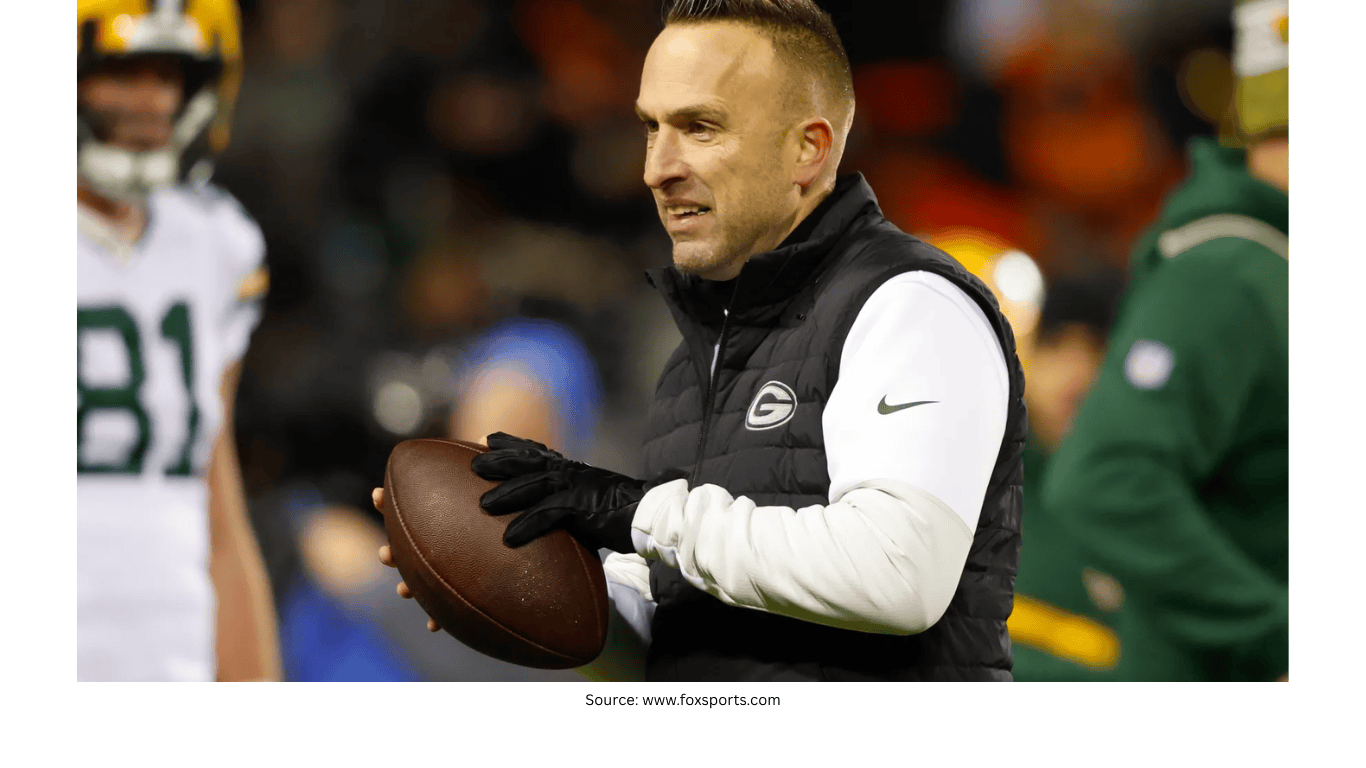
Miami makes its coaching choice
The Miami Dolphins have reportedly reached an agreement to hire Green Bay Packers defensive coordinator Jeff Hafley as the franchise’s next head coach, according to an NFL Media report Monday. The move places Hafley at the center of one of the offseason’s most closely watched coaching cycles and signals a clear direction for a Dolphins organization that has undergone significant change in recent months.
For Miami, the hire represents a notable step in a reset that has included leadership turnover, a search for stability, and an effort to reverse recent on-field results. Hafley, 46, would be stepping into his first head coaching role in the NFL, though he brings prior experience running a program at the college level and has recently led an NFL defense that ranked among the league’s better units.
A first NFL head coaching job, with prior experience leading a program
While this will be Hafley’s first time serving as a head coach in the NFL, he is not new to the responsibilities of leading a team. He previously served as Boston College’s head coach from 2020 through 2023, compiling a 22-26 record over four seasons.
After the 2023 season, Hafley left Boston College on his own volition to take the Packers defensive coordinator job ahead of the 2024 season. That decision, at the time, represented a shift from being the top decision-maker in a program to returning to a role focused on one side of the ball and the week-to-week grind of game planning and player development.
Now, after two seasons in Green Bay, Hafley is reportedly set to return to a head coaching position—this time at the highest level of the sport.
Why Hafley said he took the Packers job
In October, Hafley discussed his decision to step away from a head coaching post and join the Packers staff, framing it as a move motivated by a desire to reconnect with the daily work of coaching. He told FOX Sports’ Greg Auman that he felt he needed to take the job in Green Bay and step down as a head coach to find his enjoyment in coaching again.
“I didn't know what my expectation was, other than I couldn't wait to get back to coaching football and immersing myself in football again,” Hafley told Auman. “So far, it's been a lot of fun. You ask if this is what I expected? Yeah. I love what I'm doing. I love going to work. I love the guys I coach. I love being around the staff. I look forward to it every day.”
Those comments offered a window into Hafley’s mindset during his transition from college head coach to NFL coordinator: a coach emphasizing the craft, the routine, and the environment around the job. With Miami, he would be taking on broader responsibilities again, but doing so after a period in which he described feeling re-energized by the work.
Defensive results in Green Bay
Hafley’s recent NFL résumé centers on his two seasons running the Packers defense. During that span, Green Bay’s defense posted strong league rankings. The unit finished fifth in total defense in 2024 and 12th in total defense in 2025.
Those results helped shape Hafley’s profile during the current hiring cycle. Coordinators who can point to measurable improvement and high-end performance often draw attention when head coaching openings appear, and Hafley’s defenses in Green Bay gave him a concrete case to present to teams evaluating candidates.
Miami’s reported agreement with Hafley suggests the Dolphins are betting that his recent experience—combined with his previous time as a head coach—can translate into leadership of an entire NFL operation.
How Hafley was viewed among candidates
Hafley entered the offseason as one of the names in the head coaching conversation, and his standing among candidates reflected both his defensive work and his broader coaching background. FOX Sports’ Henry McKenna ranked Hafley as the seventh-best head coach candidate this offseason.
At the same time, the Dolphins job itself was not universally viewed as the most attractive opening. FOX Sports’ Ben Arthur had ranked Miami as the worst head coaching job available among the eight vacancies, a view that underscores the level of difficulty the next coach may face in trying to turn the team’s trajectory.
That contrast—Hafley’s candidacy on one hand and the perceived challenge of the Dolphins position on the other—helps frame why this agreement is significant. Miami is choosing a coach with a recent track record of defensive performance and prior head coaching experience, while Hafley is taking on a role that at least some observers have described as a difficult one in the current market.
A familiar connection arrives in South Florida
Hafley will not be the only figure with Packers ties heading to Miami. The Dolphins previously hired Packers vice president of player personnel Jon-Eric Sullivan as their general manager earlier in January.
The pairing matters because it suggests a coordinated approach: a new general manager and a new head coach who have both recently worked in Green Bay’s organizational environment. While their responsibilities differ—Sullivan overseeing roster construction and Hafley managing the coaching staff and on-field direction—the shared background can be seen as a potential advantage during a transition period.
For Miami, aligning the front office and coaching staff is a central task after a stretch of instability. For Hafley, joining an organization where the general manager is a familiar figure could provide a measure of continuity as he steps into a demanding role.
What led to the Dolphins’ changes
The Dolphins’ decision to hire Sullivan and reportedly agree to terms with Hafley comes after the team recorded its second straight losing season. Those results were accompanied by major personnel decisions at the top of the organization.
Longtime general manager Chris Grier parted ways with the franchise in October. Later, head coach Mike McDaniel was fired after four seasons as Miami began its search for a new general manager.
McDaniel’s tenure included both early success and a downturn. The Dolphins went 20-14 in his first two seasons, reaching the playoffs each year. Over the last two seasons, however, the team went 15-19. The shift in performance ultimately coincided with the franchise choosing to move in a different direction.
Within that context, the reported hiring of Hafley represents a new chapter. The Dolphins are placing their next phase in the hands of a coach whose recent work has been defined by defensive results and who has already experienced the pressures of being a head coach, even if not yet at the NFL level.
Where the Dolphins fit in the wider coaching cycle
Miami is the third team to hire a head coach this offseason. The New York Giants made their deal with John Harbaugh official over the weekend, and the Atlanta Falcons hired Kevin Stefanski on Saturday.
Even with those moves completed, much of the league remains in flux. Seven teams are still without a head coach, meaning the broader coaching carousel is far from settled.
Miami’s timing is notable in that it comes amid a shifting landscape of openings. The Buffalo Bills’ decision to fire Sean McDermott earlier Monday was cited in the same report as a development that affected perceptions of the available jobs. In a year with multiple vacancies, teams are competing not only for candidates but also for a sense of stability and a clear organizational plan.
What this hire signals for Miami
While the Dolphins’ on-field identity under their previous regime included playoff appearances early in McDaniel’s tenure, the franchise is now turning the page after two losing seasons and a leadership overhaul. The reported agreement with Hafley points to a preference for a coach with both coordinator-level NFL success and prior experience managing an entire program.
Hafley’s recent comments about rediscovering his enjoyment in coaching also stand out in the context of a high-pressure job. NFL head coaching roles are among the most demanding positions in professional sports, and Miami’s vacancy has been described by at least one outlet as the least appealing among the openings. Against that backdrop, the Dolphins appear to be selecting a coach who has recently spoken about the importance of day-to-day engagement and the environment around the work.
Whether that translates into wins will be determined on the field, but the structure of the hire—pairing Hafley with a newly installed general manager who also comes from Green Bay—suggests the Dolphins are attempting to build a coherent leadership group rather than assembling pieces from unrelated backgrounds.
Key points at a glance
The Dolphins have reportedly reached an agreement to hire Packers defensive coordinator Jeff Hafley as their next head coach.
This would be Hafley’s first head coaching job in the NFL; he previously went 22-26 as Boston College’s head coach from 2020-2023.
Hafley left Boston College after the 2023 season to become Green Bay’s defensive coordinator ahead of the 2024 season.
Green Bay’s defense ranked fifth in total defense in 2024 and 12th in total defense in 2025 under Hafley.
Miami recently hired Packers executive Jon-Eric Sullivan as general manager.
The Dolphins’ leadership changes followed their second straight losing season, including the departures of GM Chris Grier and head coach Mike McDaniel.
Miami is the third team to hire a head coach this offseason, with seven teams still searching.
What comes next
If finalized as reported, Hafley’s move to Miami will mark a swift rise from a college head coach seeking renewed enjoyment in the profession to an NFL coordinator producing top-tier defensive rankings, and now to the leader of an NFL franchise in transition.
For the Dolphins, the agreement would represent the latest and most visible step in a broader restructuring—one that has already reshaped the front office and now aims to reset the sideline leadership as well. With the coaching carousel still active across the league, Miami’s decision positions the team to begin the next stage of its offseason under a new head coach, with the organizational spotlight turning to how Hafley and the Dolphins’ new leadership group will define their approach going forward.