
Liverpool 0-2 PSG (Agg: 0-4): Dembele double ends Reds’ Champions League run at Anfield
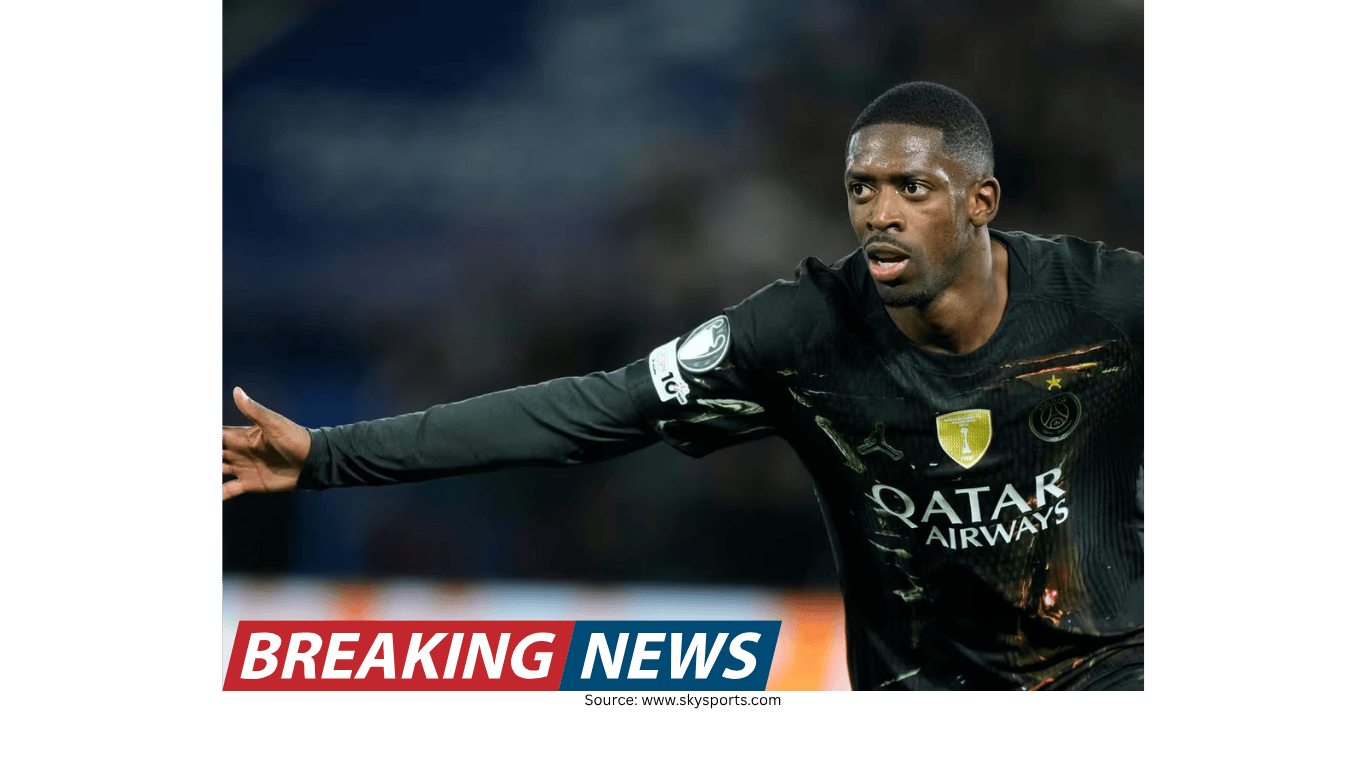
PSG complete the job as Liverpool fall short of an Anfield turnaround
Liverpool’s Champions League campaign came to an end at Anfield as Paris Saint-Germain won 2-0 on the night to complete a 4-0 aggregate victory in the quarter-finals. The tie had already become a steep climb after Liverpool’s two-goal defeat in Paris, and while the home side produced a performance that briefly suggested a comeback might be possible, PSG’s greater precision in the decisive moments ultimately settled the contest.
Ousmane Dembele scored twice in the second half to confirm Liverpool’s elimination and earn the player-of-the-match award. For Liverpool head coach Arne Slot, the evening contained both encouragement and frustration: encouragement in the intensity and endeavour his team showed, frustration in the familiar inability to turn chances into goals, and concern over a first-half injury to Hugo Ekitike that left the stadium anxious.
A strong start, a loud Anfield, and early signs of belief
With the home crowd urging them forward, Liverpool played with a tempo and aggression that unsettled PSG for long spells. Slot’s side knew they needed to take risks, and they did. The approach was clear: press high, play at speed, and attempt to create the kind of momentum that has previously fuelled famous European nights at Anfield.
There were moments in the first half when Liverpool came close to finding the breakthrough that would have changed the mood and the mathematics of the tie. Virgil van Dijk had a chance that required a crucial intervention from PSG captain Marquinhos, who cleared from near the line to deny the Liverpool defender. It was the type of moment that can swing a knockout tie—one clearance, one goal-line block, one detail that keeps the door shut.
Those fine margins remained a theme throughout the night. Liverpool produced pressure and volume, but they struggled to translate that into the kind of clear, high-quality finishing needed against elite opposition.
The penalty that wasn’t: VAR controversy adds to Liverpool frustration
Liverpool also felt they had a major opportunity when a penalty was initially awarded for a challenge by Willian Pacho on Alexis Mac Allister. However, the decision was overturned after a VAR review, a moment that drew strong reactions from Liverpool players and added to the sense of a night slipping away despite the home side’s effort.
Slot later referenced the intervention as another decision that did not go in Liverpool’s favour, while acknowledging the broader issue was still the team’s inability to score from the chances they created. The debate around the incident centred on whether the contact was sufficient to justify the original decision and, crucially, whether it met the threshold to be overturned.
Ibrahima Konate was unequivocal in his view. “For me it was a clear penalty,” he said, adding that a goal from the spot could have changed the tie’s direction by shifting momentum and narrowing the aggregate deficit. Tim Sherwood, analysing the game, also argued that there was contact and that Mac Allister was entitled to go down.
Even with those opinions, the reality for Liverpool was stark: the penalty was not given, and the comeback never received the lift of a goal that might have turned pressure into panic for PSG.
Dembele’s decisive impact after the break
For all Liverpool’s intensity, PSG carried the sharper edge when the match reached its defining phase. Dembele struck twice in the second half, punishing Liverpool late on and ensuring the European champions progressed with a clean, clinical scoreline. Liverpool had unsettled PSG, particularly as the game opened up, but when the holders found space to counter-attack, they made it count.
PSG head coach Luis Enrique described the contest as a “great quarter-final” and acknowledged the difficulty his team faced, particularly when Liverpool increased the pressure. He also noted that “good luck is important,” suggesting that an early Liverpool goal could have made the task significantly harder for the visitors. As Liverpool took more and more risks, PSG were able to launch counter-attacks, and Enrique admitted he would have preferred his team to “kill the match off” earlier.
In the end, PSG did exactly that. The finishing was more precise, the key moments were taken, and the tie was settled without the late drama Liverpool had hoped to generate.
Slot’s selection gambles and a night shaped by fine margins
Slot’s approach reflected the scale of the challenge. He started Alexander Isak and then introduced Mohamed Salah before half-time after Ekitike was forced off injured. Later, when Slot replaced Joe Gomez with Rio Ngumoha, the atmosphere suggested the crowd sensed a possible shift—an attempt to tilt the match further in Liverpool’s favour.
The substitutions underlined Slot’s willingness to chase the game, but they also highlighted the difficult balance Liverpool faced: commit bodies forward and risk being exposed, or keep structure and risk running out of time. Ultimately, PSG’s ability to punish space made Liverpool’s task even harder.
Despite the final scoreline, Liverpool’s performance contained phases where PSG looked uncomfortable. Yet knockout ties are decided by goals, not momentum, and Liverpool could not find the finishing touch.
Ekitike injury concern casts a shadow
The night also brought a worrying moment for Liverpool when Hugo Ekitike went down in the first half. He attempted to continue but went down again, clutching what appeared to be his Achilles. Even PSG players looked concerned, a sign of how serious the incident appeared in real time.
Slot did not speculate beyond what he had seen, but his initial assessment was grim. “It looks really bad but it is difficult for me to say how bad,” he said. “Tomorrow we will investigate this further how bad this is for him. Let’s see but that it doesn’t look good is clear.”
The injury added to Liverpool’s disruption on the night, forcing an early change and removing a forward option at a time when Liverpool needed every attacking resource available.
Numbers tell the story: shots, saves, and an ongoing finishing problem
Liverpool’s elimination was not simply about one incident or one counter-attack. Over the course of the match, they recorded 21 shots but forced only five saves. That combination—high volume, limited end product—captured the frustration of their night.
Slot referenced an ongoing theme from the season: underperformance in front of goal. He said Liverpool were “so far underperforming in terms of xG” and described it as an issue that has persisted throughout the campaign. The broader Champions League numbers support that point: Liverpool came into the match having scored 24 goals from an expected-goals total of 27.8 in the competition, making them the biggest underperformers in front of goal among the eight quarter-finalists.
Against PSG, the pattern repeated. Liverpool threw bodies forward, but the finishing lacked precision. The report of the match described sloppy passes, wild finishes, poor decisions, and moments of tentativeness—small failures that add up when the opponent is capable of punishing you at the other end.
Individual performances and the decisive difference
Dembele’s contribution stood out most clearly, and he was named player of the match. PSG goalkeeper Matvey Safonov was rated highly as well, while Hakimi, Marquinhos, and Vitinha were among those credited with strong performances. Marquinhos’ first-half goal-line clearance was one of the defining defensive moments of the tie.
For Liverpool, there were solid displays across the pitch, with Konate and Gravenberch among those rated well and Szoboszlai also receiving praise. However, the match report noted ongoing concerns in key attacking areas: Salah’s willingness was there but not the same physical sharpness, Florian Wirtz missed an opportunity to deliver in a defining match, and Isak remained short of fitness.
Those assessments reflect the reality of elite knockout football. When the margins are tight, the difference between progressing and going out can be a single decisive contribution in the final third. PSG got that from Dembele. Liverpool, despite their pressure, did not.
What both coaches said: respect, disappointment, and the role of chance
Both managers struck a tone that mixed honesty with respect. Enrique praised Liverpool’s intensity and admitted his team had to suffer at times. He even suggested Liverpool “definitely deserved to score” over the course of the game, while reiterating that taking risks opened the door for PSG’s counter-attacks.
Slot, meanwhile, praised his players for their work rate and credited the Anfield crowd for helping Liverpool execute the game plan, particularly the high press. But he also pointed to the familiar issues: chances not taken, a potentially serious injury, and a VAR decision that went against his team.
He described moments in the second half when it felt as though Liverpool could score and create “a special night,” but the goal never came—and once PSG struck, the tie was effectively over.
PSG’s momentum and Liverpool’s shifting priorities
PSG’s victory sends them into the last four, where they will face either Bayern Munich or Real Madrid. The win also extended Luis Enrique’s side to a six-game winning streak for the first time this season, an indicator that their form is peaking at a crucial stage of the campaign.
For Liverpool, the immediate consequence is clear: their Champions League run is over, and the wider season picture has sharpened. The report noted that their trophyless campaign has now been confirmed. With that in mind, Liverpool’s focus must shift to securing a return to the Champions League by finishing in the Premier League top five.
That objective now becomes central, not only for the club’s short-term ambitions but also for the broader sense of direction under Slot. The performance against PSG showed energy, organisation, and periods of control. But it also exposed the difference between playing well and winning at the highest level.
Match details: score, scorers, and selected ratings
- Competition: UEFA Champions League, Quarter-final
- Second leg: Liverpool 0-2 Paris Saint-Germain
- Aggregate: Liverpool 0-4 Paris Saint-Germain
- Scorers: Ousmane Dembele (2)
- Player of the match: Ousmane Dembele
Liverpool (selected ratings): Mamardashvili 6; Konate 7; Van Dijk 6; Gravenberch 7; Szoboszlai 7; Mac Allister 6; Isak 5. Substitutes included Salah 6, Gakpo 7, Ngumoha 7.
PSG (selected ratings): Safonov 7; Hakimi 7; Marquinhos 7; Vitinha 7; Dembele 8. Substitutes included Barcola 7.
A night of effort, but not enough to change the tie
Anfield saw a Liverpool side that “gave it a go,” backed by supporters who responded to the intensity and commitment on display. For long stretches, PSG were made to feel the pressure of a stadium searching for a comeback. Yet the final score did not bend to sentiment or effort.
Liverpool’s exit was shaped by the first-leg deficit, by missed opportunities, by a controversial VAR moment, and by PSG’s ability to deliver the decisive actions when the match opened up. Dembele’s two goals were the clearest illustration of the difference between the teams on the night: Liverpool created a platform, PSG finished the job.
As the dust settles, Liverpool’s challenge is to carry the best elements of this performance into their domestic run-in, while addressing the attacking inefficiency that Slot has repeatedly highlighted. PSG, meanwhile, move on with confidence, form, and a place in the semi-finals secured.